Why Quality Metal Manufacturing Depends on Foundry Services
Foundry solutions hold a vital position in the realm of metal production. They support the transition of raw materials into high-quality components through exact casting and molding processes. Qualified specialists are vital in this procedure, as they work to minimize defects and implement stringent testing. Understanding how these services impact overall product quality reveals their more extensive implications in production efficiency and market competitiveness. What lies beyond this initial foundation?
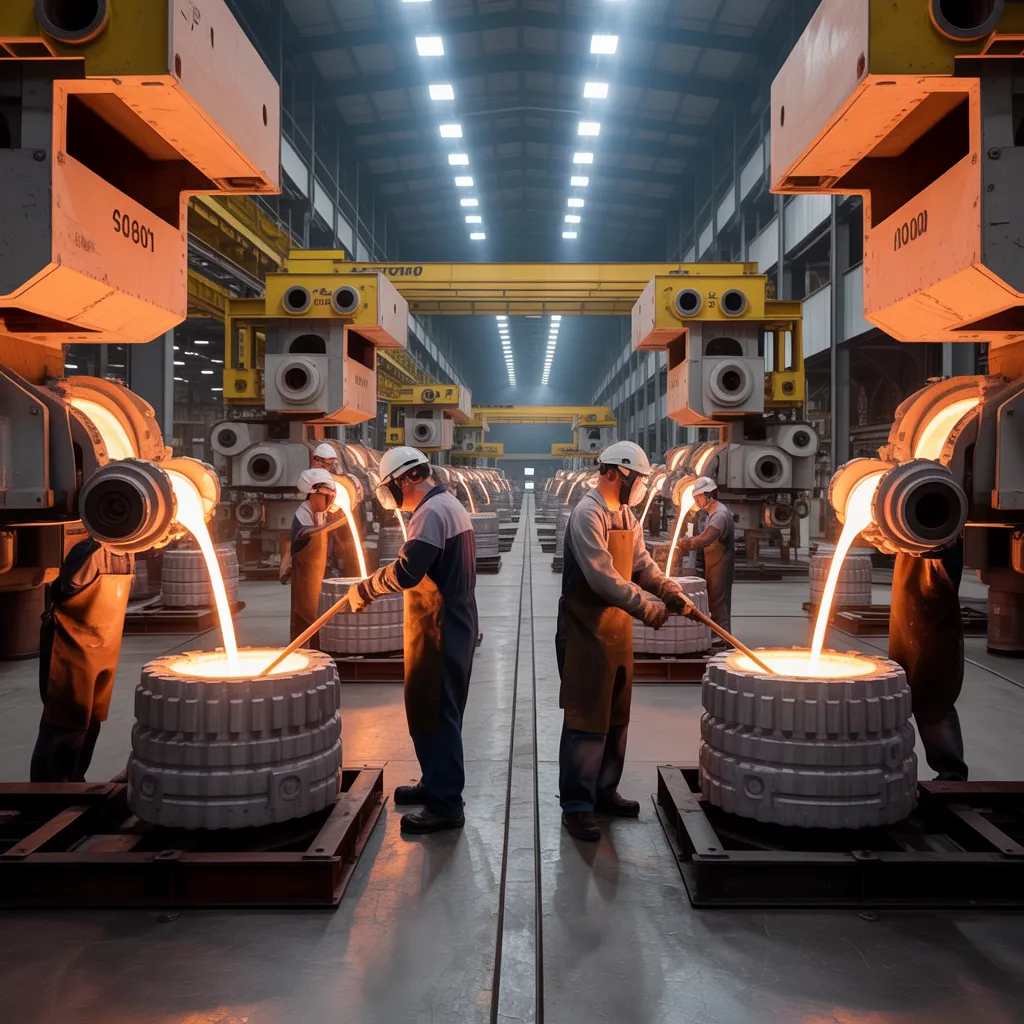
Understanding the Essential Role of Foundry Services in Metal Manufacturing
While many may overlook the importance of foundry services, they fulfill a crucial role in the metal manufacturing industry. Foundry services comprise numerous processes, including casting, molding, and finishing, which are crucial for generating high-quality metal components. These services facilitate the transformation of raw materials into usable forms, permitting manufacturers to create intricate shapes and designs that meet specific industry standards.
Additionally, foundry services facilitate the production of a wide range of metals, including aluminum, steel, and bronze, each requiring specialized techniques and expertise. The precision attained through these services not only elevates the performance of final products but also supports the overall efficiency of manufacturing operations. By understanding the fundamental role of foundry services, stakeholders in the metal manufacturing sector can recognize how these processes support the creation of reliable, durable components, ultimately influencing the success of various applications in different industries.
Key Advantages of Foundry Services for Ensuring Quality Control
Foundry services markedly enhance quality control in metal manufacturing, as they implement accurate techniques and demanding standards throughout the manufacturing process. A key advantage is the expertise of skilled professionals who monitor every stage, ensuring adherence to specifications and limiting defects. In addition, foundry services utilize rigorous testing methods, including dimensional inspections and material analysis, which confirm the quality of the created components.
An additional major advantage is the use of cutting-edge materials and techniques customized for specific applications, resulting in better durability and performance of the final products. Consistency is also achieved through established protocols that minimize variability, ensuring uniformity in production.
Furthermore, foundry services allow for efficient feedback loops, allowing for quick identification and rectification of issues, consequently boosting overall product consistency. As a result, these elements lead to a higher level of customer fulfillment and trust, making foundry services critical for securing and maintaining quality control in metal production.
How Does Technology Boost the Benefits of Foundry Services?
Technology greatly advances foundry services by introducing advanced casting techniques that improve precision and efficiency. Additionally, real-time quality monitoring systems provide immediate feedback and adjustments, guaranteeing that manufacturing standards are consistently met. These technological advancements not only optimize processes but also elevate the overall quality of metal products.
Professional Casting Procedures
As industries evolve, modern casting processes develop as a crucial component in boosting the benefits of foundry services. These processes, including investment casting, lost foam casting, and 3D printing, leverage state-of-the-art technology to improve precision and reduce waste. By utilizing sophisticated materials and automated processes, manufacturers can attain complex geometries that were previously unreachable. This not only enhances the quality of the final products but also minimizes lead times, facilitating speedier market responsiveness. Additionally, these methods facilitate customization, empowering clients to obtain personalized solutions that meet specific requirements. Overall, the adoption of advanced casting methods considerably streamlines production efficiency and quality assurance, building a competitive edge for foundry services in the metal manufacturing landscape.
Live Performance Tracking
In contemporary metal fabrication, the integration of real-time quality monitoring systems significantly improves the effectiveness of foundry services. These systems harness advanced sensors and data analytics to continuously assess production processes, guaranteeing that specifications are met at every stage. By providing real-time feedback, manufacturers can quickly identify and correct defects, decreasing waste and elevating overall efficiency. This proactive approach limits downtime and improves product quality, ultimately driving higher customer satisfaction. Furthermore, real-time monitoring allows manufacturers to maintain compliance with industry standards and regulations. As a result, the adoption of these technologies not only improves the foundry's operational capabilities but also bolsters its competitive edge in the market.
Enhancing Product Durability and Performance Through Foundry Services
While many industries seek innovative solutions to enhance product durability and performance, foundry services prove to be an essential component in achieving these objectives. By employing advanced casting techniques and materials, foundries can manufacture components with outstanding strength and resilience. The use of high-quality alloys and precision casting processes guarantees that the final products can withstand extreme conditions and stresses, significantly extending their lifespan.
Additionally, foundry services implement comprehensive quality control measures throughout the manufacturing process, confirming that each component meets stringent performance specifications. This careful focus not only enhances the durability of the products but also enhances their functionality in diverse applications. Moreover, custom foundry solutions permit tailored designs that satisfy specific industry requirements, further elevating overall performance. In this way, foundry services play a pivotal role in improving the durability and effectiveness of metal products across numerous sectors, from automotive to aerospace.
Why Investing in Professional Foundry Services Makes Financial Sense
Investing in professional foundry services can produce substantial financial returns for businesses looking to improve their manufacturing operations. By leveraging expert knowledge and advanced technology, companies can lower production costs through better efficiency and limited waste. Professional foundries commonly provide specialized solutions that optimize the design and manufacturing process, producing top-quality products that comply with strict industry standards.
Additionally, outsourcing foundry services helps businesses to dedicate attention to core competencies, making available resources for innovation and growth. This strategic investment can also result in faster turnaround times, allowing companies to respond promptly to market demands. Moreover, the expertise of professional foundries can decrease the risk of costly errors, which often arise from inexperienced handling of complex metal formulations. Ultimately, the financial implications of investing in professional foundry services extend beyond immediate cost savings, fostering long-term sustainability and competitive advantage in the manufacturing landscape.
Real-Life Success Stories of Foundry Services in Metal Production
Success stories are plentiful in the field of metal manufacturing, showcasing how companies have revolutionized their operations through the use of professional foundry services. One notable example is a leading automotive manufacturer that faced production delays due to inconsistent metal quality. By partnering with a specialized foundry, they improved their supply chain efficiency and significantly reduced defects, resulting in a 30% increase in production output.
In a similar fashion, a machinery manufacturer facing high costs and material waste moved to a foundry recognized for its precision casting competencies. This partnership not only cut material expenses but also boosted product durability, generating a 25% boost in customer satisfaction ratings.
These cases demonstrate that committing to professional foundry services can lead to considerable operational enhancements, cost efficiencies, and improved product quality. These particular success stories underscore the essential role that foundry services play in the competitive landscape of metal manufacturing.
FAQ
Which Metals Are Commonly Employed in Foundry Services?
Foundry services typically utilize several metals, including steel, bronze, aluminum, and cast iron. These materials are picked for their specific properties, which provide the performance, durability, and strength of the final cast products.
What Are the Steps to Choosing the Right Foundry Service Provider?
To choose the right foundry service provider, one should evaluate their experience, technology, quality certifications, and customer reviews. Evaluating pricing and lead times can also help guarantee alignment with specific project requirements and expectations.
What Challenges Are Commonly Faced in Foundry Services?
Frequent challenges in foundry services include inconsistent material quality, equipment maintenance concerns, labor shortages, fluctuating raw material costs, and regulatory compliance. These factors can considerably impact operational efficiency and the overall quality of metal castings.
What is the Standard Timeframe for the Foundry Process?
The foundry process typically takes several weeks to months, based on the complexity of the practical resource design, type of material, and manufacturing quantity. Factors such as mold preparation and completion procedures can substantially determine the total timeframe.
Are Foundry Operations Eco-Friendly?
Foundry services can be environmentally friendly when employing sustainable practices, such as recycling materials and utilizing energy-efficient technologies. However, the complete impact is determined by specific processes and conformity to environmental regulations within the industry.